

What Kind of Gifts Should Parents Give to Children of Different Ages?
2026-02-05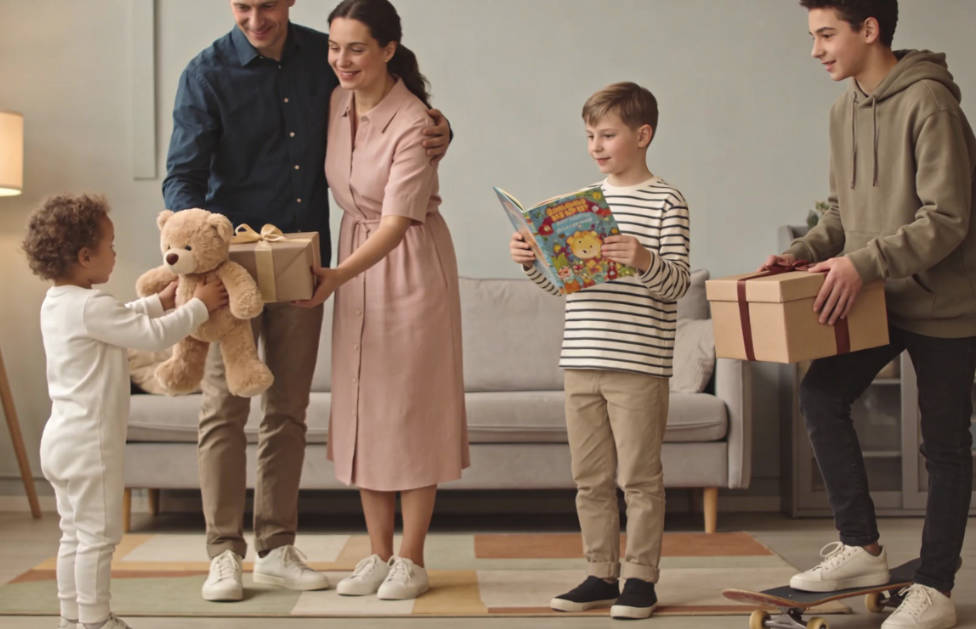
In earlier articles, we spent much more time discussing gift-giving between adults—friends, classmates, colleagues, and social circles where boundaries and expectations can feel complicated. Recently, however, I noticed several readers raising a different kind of question: what should parents give their own children at different ages? It's a topic that deserves a separate, thoughtful discussion, because gifting within a family follows very different rules.
When parents choose gifts for their children, the goal is rarely about social signaling. Instead, it's about supporting growth, curiosity, confidence, and emotional connection. A good gift at the right age can encourage learning, independence, or creativity, while an ill-suited one may quickly lose relevance or create unnecessary pressure.
For toddlers and preschool-aged children, gifts should prioritize safety, sensory exploration, and basic skill development. Simple toys that encourage movement, hand-eye coordination, or imaginative play—such as building blocks, puzzles, picture books, or role-play sets—tend to have lasting value. At this stage, children are less concerned with ownership and more focused on interaction, so gifts that invite shared play often matter more than expensive items.
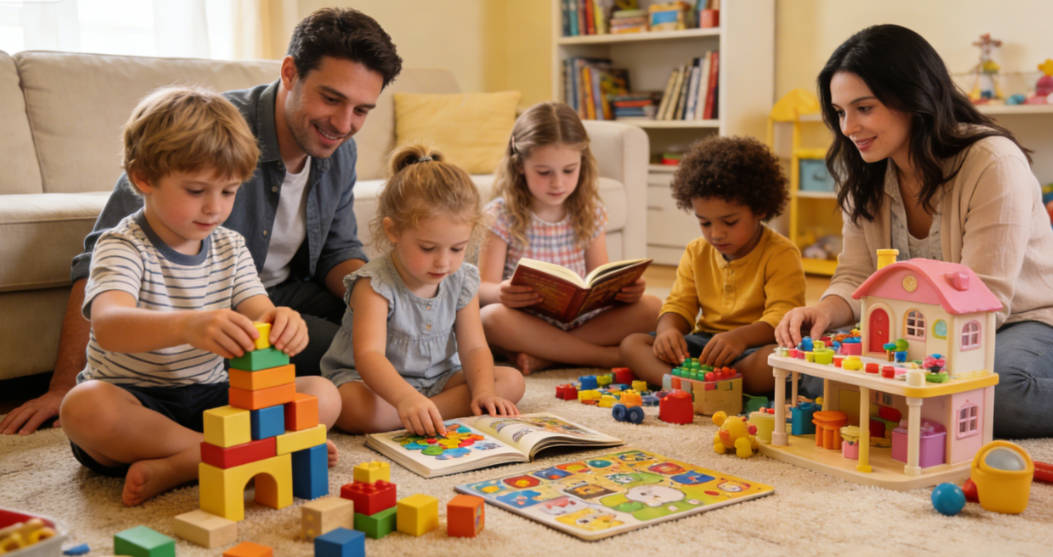
As children enter early elementary school, their interests begin to form more clearly. Gifts that align with emerging hobbies—drawing supplies, beginner sports equipment, simple science kits, or storybooks suited to their reading level—can help reinforce curiosity and confidence. Parents often find that gifts connected to effort and learning are remembered longer than purely entertainment-based toys.

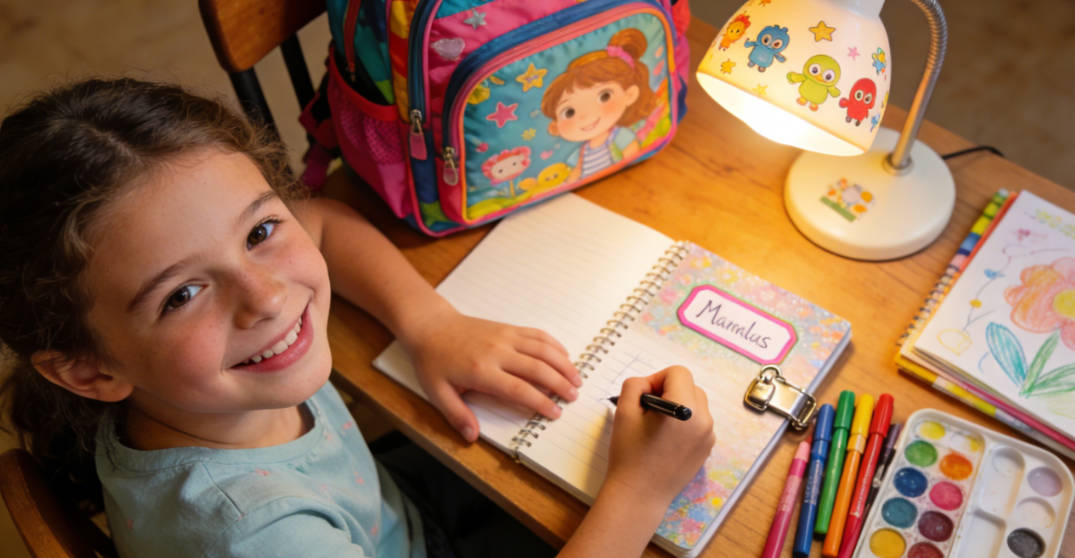
For preteens, gift-giving becomes more nuanced. Children at this age are developing stronger personal preferences and a growing sense of independence. Practical items with a personal touch work well here: a backpack they chose themselves, a desk lamp for homework, a journal, or hobby-related tools. Allowing preteens to have input in gift selection can help them feel respected and understood, while still maintaining the element of surprise for special occasions.
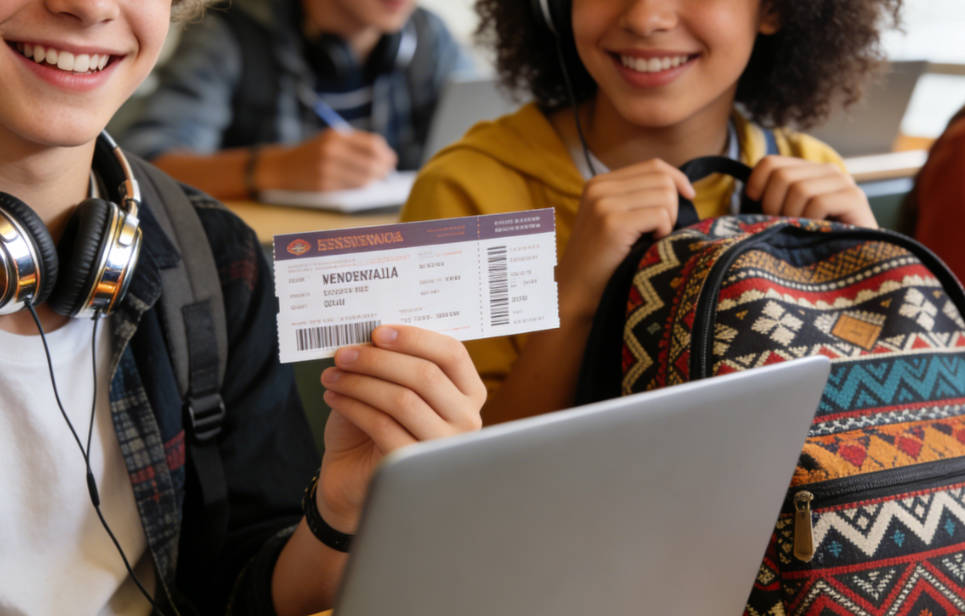
Teenagers navigate a complex space between childhood and adulthood, and their gifts should reflect this transition. Experiences often become more valuable than physical items—concert tickets, a class for a skill they want to learn, or a weekend trip with friends. When choosing physical gifts, focus on items that support their growing autonomy: quality headphones, a laptop case, or clothing that aligns with their personal style. The key is to balance respect for their emerging identity with the care that comes with being a parent.
Regardless of age, the most meaningful gifts for children often carry emotional weight. Handmade items, family heirlooms, or gifts that connect to shared experiences—such as a scrapbook of memories or a book that was meaningful to you as a child—create lasting bonds. These gifts communicate love and connection in ways that store-bought items alone cannot.
It's also important to consider the role of gifts in shaping values. Gifts that encourage generosity, empathy, or environmental awareness—such as a donation to a charity in their name, a plant to care for, or a volunteer experience—can help children develop important life skills and perspectives. These gifts teach that giving is as important as receiving, and that the value of a gift lies in its meaning, not its price tag.
Finally, parents should remember that the best gifts are often the ones that fit naturally into a child's life. Observing their daily routines, listening to their interests, and paying attention to their challenges can provide valuable clues for gift selection. A gift that addresses a specific need or interest—whether it's a new art set for a budding artist or a comfortable pair of shoes for a active child—will always feel more thoughtful than a generic item chosen based on trends or expectations.
In conclusion, choosing gifts for children of different ages requires a balance of developmental awareness, emotional connection, and practical consideration. By focusing on gifts that support growth, reflect their interests, and strengthen your bond, parents can create meaningful experiences that children will cherish long after the wrapping paper is gone. The most important gift of all, however, is the time and attention you give them every day—something that no toy or experience can ever replace.

Liam Foster
Liam Foster is a gift giving expert with years of experience in finding the perfect presents for various relationships and occasions.
You Might Also Like
Gifts for Children
2026-02-05
Practical Gift Ideas for Students
2025-12-25
Teacher to Student Gifts
2025-12-18
Comments
-
 Reply
ReplyMichelle Durant
Jun 23, 2025, 11:45 am
This article really goes beyond the usual "buy a notebook" advice. I especially liked the focus on how small changes—like better lighting or an ergonomic setup—can actually improve a student's daily study experience. It's refreshing to see gift ideas explained in terms of real impact, not just aesthetics.
-
 Reply
ReplyRonda Otoole
Jun 23, 2025, 11:45 am
As someone who struggles every year to find meaningful gifts for students, this guide was genuinely helpful. The emphasis on personalization and wellness made me rethink how gifts can support both academic life and mental health, not just grades.
 Reply
ReplyJames Whitley
Jun 23, 2025, 11:45 am
I appreciate how this post addresses boundaries while still offering thoughtful, practical gift ideas. The suggestions feel appropriate, respectful, and genuinely useful for students at different stages, especially those balancing heavy workloads.
-
 Reply
ReplyKimberly Chretien
Jun 23, 2025, 11:45 am
The section on budget-friendly gift options was spot on. Not everyone can afford expensive tech, but curated kits and subscriptions are smart alternatives. This article proves that meaningful gifts don't have to be costly to be effective.
-
 Reply
ReplyMichelle Durant
Jun 23, 2025, 11:45 am
What stood out to me most is how these gift ideas are designed to integrate into daily routines. Instead of novelty items that get forgotten, the recommendations here encourage long-term habits, productivity, and personal growth. Definitely bookmarking this for future reference.